Assembling office furniture before staff move in can provide clearer working space and avoid assembly activity around occupied desks. It works best when the premises, deliveries and layout are ready. Assembly after move-in can suit a later delivery or staged change, but needs a practical plan for staff, storage and access. Neither option is automatically best.
When arranging office furniture assembly and setup, compare the actual conditions at the destination rather than choosing a date solely because it falls before or after the move.
Compare the constraints, not just the dates
Here, “before move-in” means assembly at the new premises before normal staff occupation. Building furniture at another address and transporting it fully assembled creates a separate handling question.
Swipe horizontally to read all columns.
Which timing fits your office?
| Planning point |
Before move-in |
After move-in |
| Working space |
May offer clear floor space if fit-out is complete. |
Existing furniture and belongings may restrict assembly. |
| Disruption |
Keeps assembly activity ahead of normal occupation. |
Needs separation, staff communication or temporary relocation. |
| Access |
Keys, loading and lift arrangements must already be available. |
Access may be established but shared with daily operations. |
| Deliveries |
Depends on required packages arriving before the visit. |
Can follow later deliveries, with space reserved for them. |
| Storage |
Furniture needs protection until staff arrive. |
Cartons and displaced furniture need somewhere to go. |
| Layout changes |
Requires an agreed plan before occupation. |
May reflect actual use, but changes can involve extra handling. |
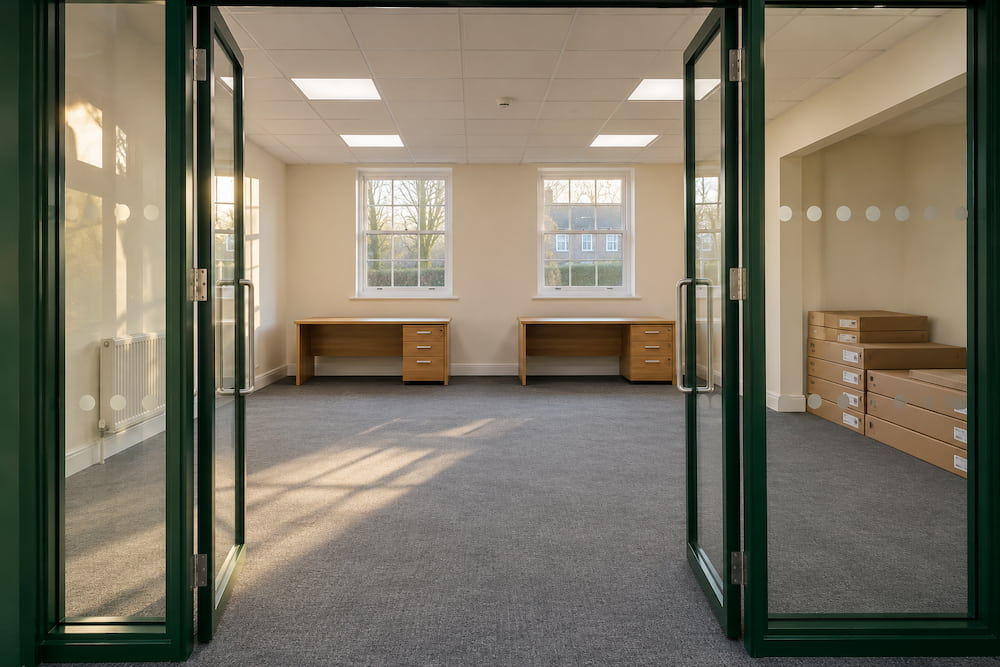 Choose the sequence that fits the premises and the people using them.
When assembly before move-in makes sense
An empty room can give the team space to lay out components, follow the assembly sequence and position finished items without moving staff belongings. It also allows furniture issues to be identified before users arrive.
That advantage depends on genuine readiness. Confirm that the room is available, required finishes are complete and other contractors do not still need the same floor area. Check who will receive deliveries, admit the assembler and approve any practical decisions.
 Early access only helps when the room and required deliveries are ready.
A confirmed building handover does not necessarily mean every desk component has arrived. Check complete packages and accessories, not simply the number of cartons. Leave room in the programme for missing parts or an unresolved assembly issue; do not treat the planned visit as a guaranteed completion date.
After assembly, agree how the furniture will be protected from subsequent moves or remaining work. Avoid placing finished desks where they will immediately need to be moved again to allow flooring, decorating or equipment deliveries.
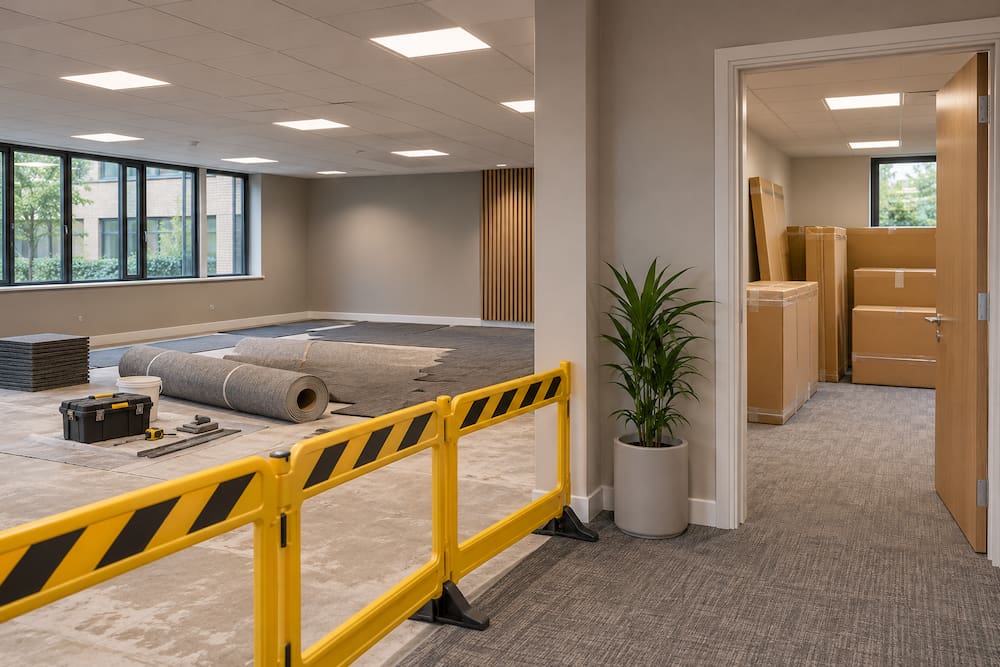 Remaining fit-out work can remove the benefit of assembling early.
When assembly after move-in can work
Later assembly may be practical when furniture arrives in stages or only part of the office is changing. Staff may already have a usable area while a separate room is prepared. The important condition is a workable boundary between normal activity and the assembly area.
Review where components, tools and packaging will go. A desk-shaped gap is not necessarily enough working space to assemble and turn the product. Existing desks, computer equipment and personal belongings can make access more complicated.
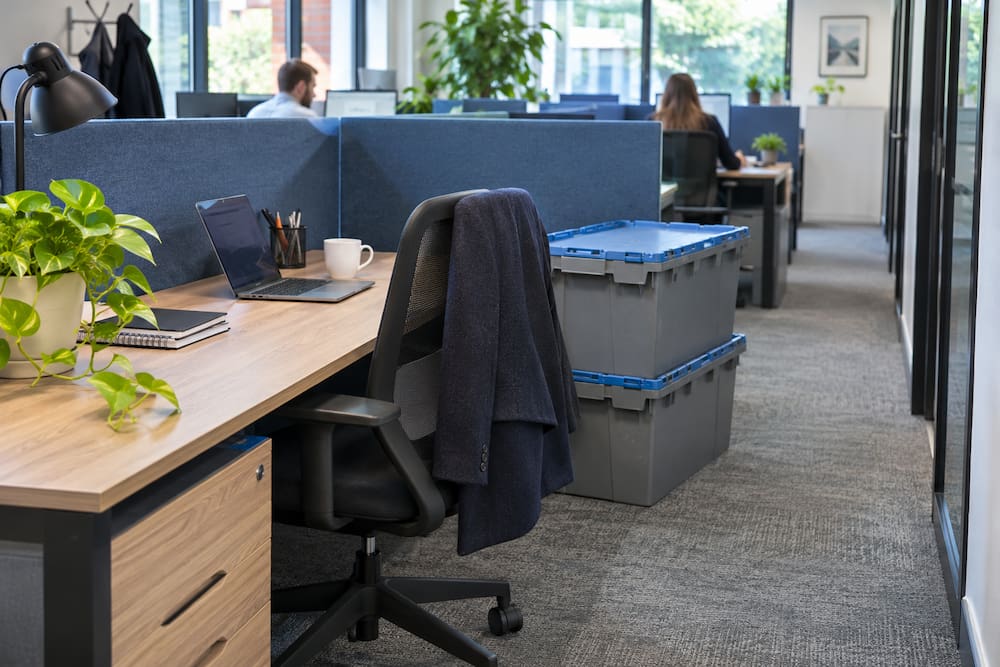 After occupation, working space must be deliberately made available.
Tell staff which areas will be unavailable, where they can work and how access will be maintained. Agree noisy activities and any temporary moves. An evening or weekend visit is only an option if the provider and building arrangements support it; it is not an automatic solution.
Keep circulation and escape routes clear. If the only way to assemble furniture is to occupy an essential route or work among staff without suitable separation, revise the arrangement before the visit.
Consider a room-by-room or phased setup
A mixed approach can combine early assembly in ready rooms with later work in areas awaiting delivery or clearance. Agree which workstations are priorities and what must be completed before each area can be released.
For example, one vacant room could be assembled and checked first, allowing a team to relocate there before the next room is cleared. This is a planning example, not a promise that the layout or programme will support that sequence.
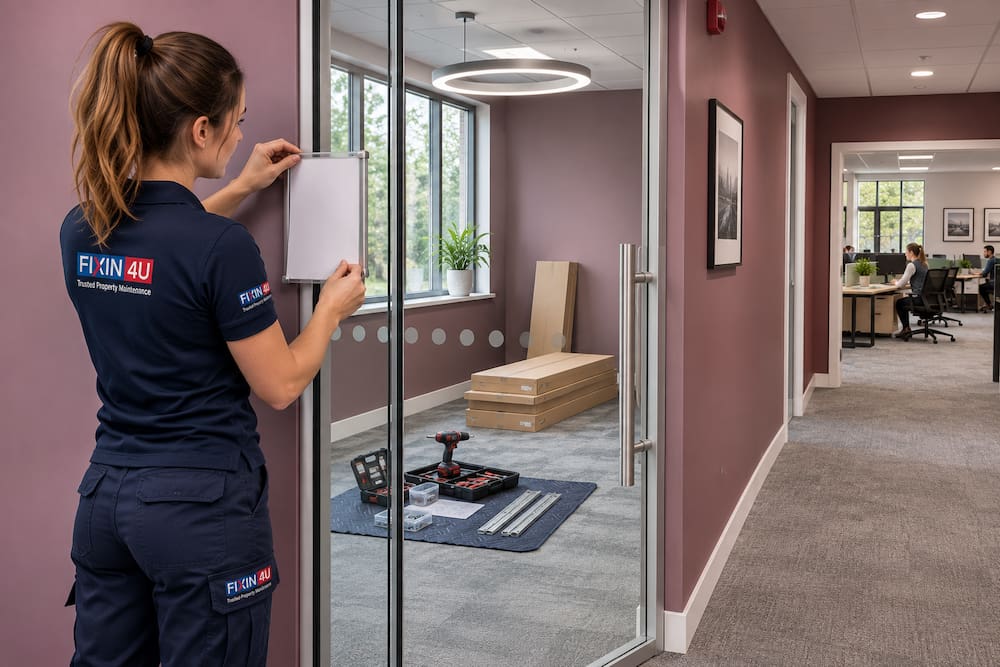 Separate rooms can support staged work when access and dependencies permit.
Phasing also has trade-offs: repeated attendance, temporary storage and moving equipment between rooms may need to be included in the scope. Compare the complete arrangement rather than assuming several short visits will be simpler or cheaper.
Choose using four practical questions
- Is the destination ready for assembly, with access confirmed?
- Are the required furniture packages and instructions available?
- Can the work area and storage be kept separate from occupied routes?
- Who will complete IT, checks and handover before staff use the desks?
If the first two answers are uncertain, assembling before move-in may create a waiting or storage problem. If the third is uncertain, assembling afterwards may create avoidable disruption. A phased plan is worth reviewing when different rooms have different answers.
Share the complete furniture specification. Desktronic's separate desk and accessory guides illustrate why drawers, monitor arms and cable trays may add tasks beyond the main desk assembly.
Keep furniture completion separate from workstation readiness. Arrange IT and any electrical work explicitly. HSE's guidance identifies new or changed workstations as assessment triggers for relevant DSE users; the employer's assessment process is not replaced by an assembly handover.
“Please compare assembly before occupation with a phased visit after our move. Here are the room-ready dates, delivery status, layout, access restrictions and staff arrangements. Please identify the dependencies for each option.”
References & Standards
Apply the supplied product instructions and the workplace's own access and assessment arrangements. These sources do not establish one preferred move-in sequence.